

SubsidiariesFRI³

FINOM Research, Innovation & Impact Initiative

We Research What Others Assume

Better development decisions begin with better questions, stronger evidence and a clear path from knowledge to action.

FRI³ is the research, innovation and thought-leadership arm of FINOM Group. We investigate critical development challenges, generate independent evidence and explore practical solutions that can improve programmes, policies and outcomes.

Research, innovation and implementation are central to our work, ensuring that evidence does not end with a publication but contributes to decisions, programme improvement and measurable impact.

Explore Our Research
FINOM Research, Innovation and Impact Initiative professional presenting research work

Why FRI³ Exists

Where conventional thinking stops, inquiry begins.

Development challenges persist because critical realities remain obscured, prevailing assumptions go untested, and promising ideas are not subjected to the rigor required for scale.

FRI³ exists to bridge that gap.

We leverage research to surface underlying drivers, innovation to test new models of response, and impact-focused learning to determine what works, for whom, and under what conditions. By combining rigorous research methods, contextual intelligence, experimentation, and data-driven evidence, we design, test, and refine solutions that can strengthen systems and improve lives.

The Rationale

Exploring the Questions Behind Better Health Outcomes

FRI³ is focused on generating rigorous, actionable evidence that can inform policy, strengthen system performance, and catalyse meaningful change across priority health domains in Nigeria. Our research agenda focuses on persistent challenges where important questions remain unanswered, implementation gaps endure, and better evidence can materially improve policy and programme decisions.

Immunization

Progress in immunization has not eliminated inequity. Coverage gaps persist across communities, while zero-dose and under-immunized children remain difficult to identify and reach. Closing these gaps requires more than expanding service availability. It requires stronger data systems, operational evidence, and context-specific insight into who is being missed, why they are being missed, and what delivery models can reach them more effectively.
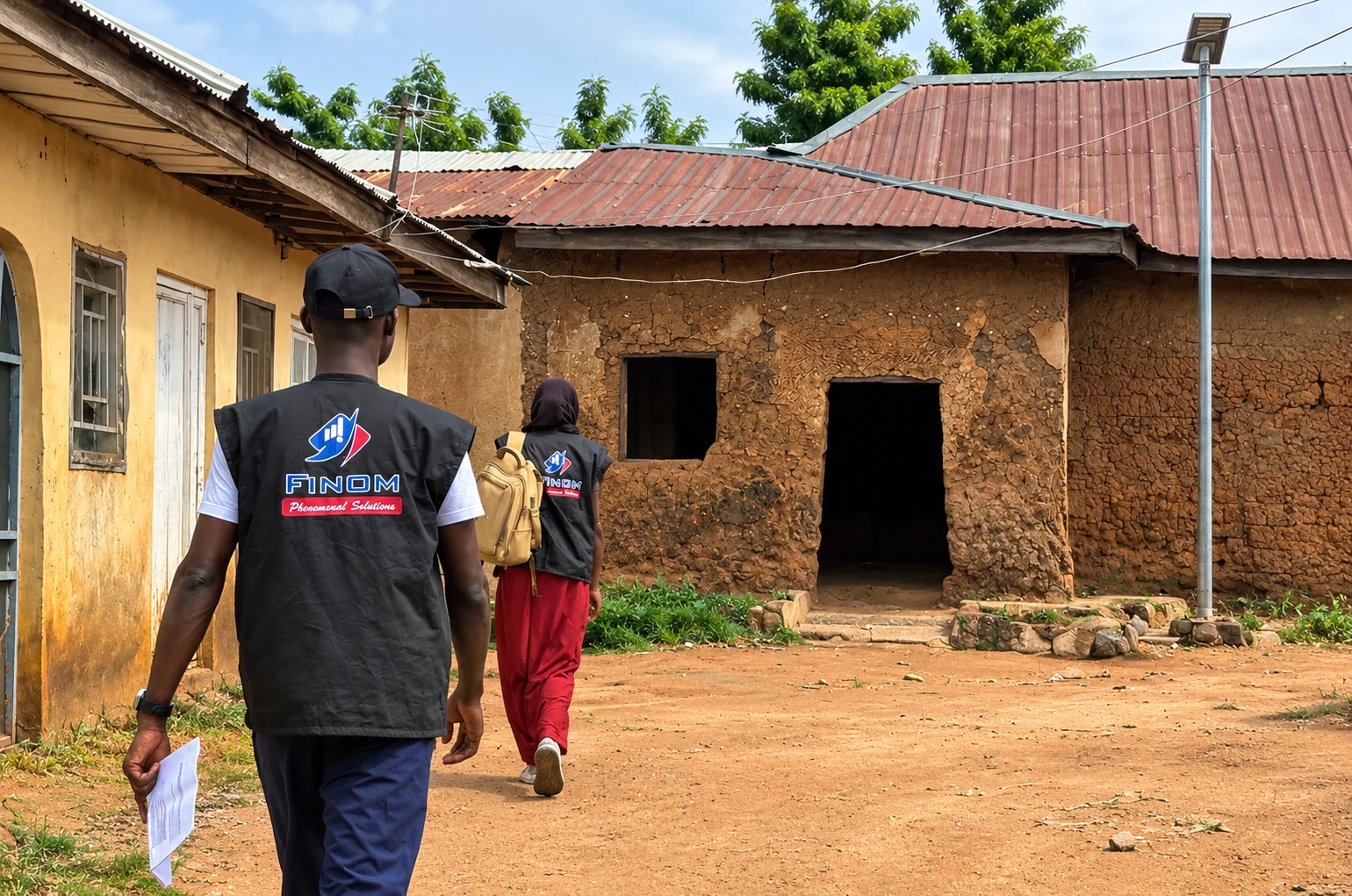
Malaria

Sustained investment has advanced malaria prevention and control, yet persistent transmission and health-system constraints continue to undermine progress, particularly among vulnerable populations. FRI³ seeks to generate evidence that clarifies where current approaches are losing traction, what drives persistent gaps, and how interventions can be better targeted, delivered, and sustained.

Sexual and Reproductive Health: Contraceptive Care

Access to modern contraceptive care remains uneven, particularly across rural and underserved communities. Commodity availability, service-delivery constraints, weak supply systems, and sociocultural factors continue to shape access and uptake. FRI³ explores the interaction between these factors to understand what constrains choice, what influences behaviour, and how contraceptive services can become more accessible, responsive, and equitable.

FRI³ brings together researchers, practitioners and partners interested in understanding difficult development problems and finding better ways to address them.

Through our research arm, FINOM aims to generate actionable evidence to inform policy, strengthen program design, and drive sustainable health outcomes.

Partner With FRI³Explore Our Research